Author: Princess Dambuza
South Africa’s shift from apartheid to democracy in 1994 marked a decisive break from a system of institutionalized racial oppression. The adoption of the 1996 Constitution created a democratic framework grounded in constitutional supremacy and an expansive Bill of Rights. This framework not only protects civil and political rights but also includes justiciable socio-economic rights, such as access to housing, healthcare, water, education, and social security, positioning South Africa’s human rights architecture among the most progressive globally.
The Constitution promised to dismantle systemic inequalities and build a society based on dignity, equality, and freedom. Constitutional supremacy fundamentally transformed the relationship between citizens and the state by allowing courts to review government action against constitutional standards. The Bill of Rights promotes inclusive citizenship and protects vulnerable populations from discrimination based on race, gender, sexual orientation, disability, and other protected characteristics.
Despite this progressive framework, the translation of constitutional guarantees into lived reality has been uneven. Enforcement remains constrained by limited state capacity, inadequate resources, and structural inequalities inherited from apartheid. Globalization and neoliberal economic policies have further restricted the state’s ability to fulfil socio-economic rights, raising concerns about the limitations of rights-based approaches when structural conditions undermine implementation. Nearly three decades after democracy, South Africa continues to struggle with persistent economic inequality, systemic racism, and insufficient accountability for historical injustices.
This article examines four areas where the gap between constitutional ideals and lived experience remains most evident: gender-based violence, xenophobia and hate victimization, economic inequality, and access to essential services such as water and healthcare. These domains illustrate how structural barriers and institutional weaknesses continue to undermine the realization of human rights.
Gender-based violence (GBV) remains one of South Africa’s most severe human rights crises. It fundamentally undermines women’s rights to dignity, bodily integrity, health, and security, despite explicit constitutional protections. Some women in rural areas demonstrate widespread patterns of violence, particularly among women living with or at risk of HIV. These women face intersecting vulnerabilities, including poverty, unemployment, stigma, and limited access to services. Economic instability and social marginalization increase their exposure to violence while simultaneously limiting their ability to escape abusive relationships or access justice.
Although the Constitution guarantees freedom from violence, many women remain unprotected due to systemic failures in law enforcement and social support systems. Women’s marginalization, rooted in historical inequalities and reinforced by contemporary socio-economic conditions, persists despite constitutional protections. Multiple institutional barriers prevent effective responses to gender-based violence. These include inadequate funding for victim support services, insufficient police training, weak coordination between healthcare and justice systems, and limited access to legal assistance. Survivors often encounter discrimination, stigma, and institutional indifference when seeking help. Healthcare systems also contribute to systemic barriers. Women living with HIV frequently face discrimination in medical settings, further discouraging access to essential services. Transgender individuals experience institutional discrimination and exclusion within healthcare systems structured primarily around cisgender norms, reinforcing systemic inequalities.
Gender-based violence disproportionately affects individuals at the intersection of multiple marginalized identities. Rural women face geographic isolation and limited access to services. LGBTQI+ individuals, particularly Black African lesbians in township communities, face targeted violence based on sexual orientation and gender identity. These intersecting forms of marginalization reveal that gender-based violence is not solely an issue of individual criminal conduct but reflects systemic inequalities embedded in social, economic, and institutional structures.
Despite constitutional guarantees of dignity and equality, foreign nationals and migrants in South Africa face widespread discrimination, violence, and violations of due process. Immigration detention practices often violate fundamental human rights protections. Migrants and undocumented individuals are frequently subjected to prolonged detention without adequate legal representation or access to judicial review. Conditions in detention facilities are frequently inadequate, reflecting systemic failures in oversight and accountability. These violations reflect tensions between constitutional commitments to liberty and social hostility toward migrants, illustrated by xenophobic rhetoric and discriminatory practices. Hate-motivated violence remains widespread, affecting migrants, LGBTQI+ individuals, and other marginalized groups. Despite constitutional protections and equality legislation, enforcement mechanisms remain weak. Hate crimes are often underreported, and law enforcement agencies lack standardized procedures for recording and investigating such incidents.
The absence of comprehensive hate crime legislation represents a critical gap in South Africa’s legal framework. Existing laws do not adequately address the specific nature and impact of hate-motivated violence.
Law enforcement’s failed systems contribute to persistent xenophobia. Police lack sufficient training to respond effectively to hate crimes, and government monitoring systems remain inadequate. Political discourse that frames migrants as security threats further undermines constitutional commitments to equality and human dignity. These systemic failures reflect broader challenges in translating constitutional principles into practice, particularly when political and social pressures conflict with human rights obligations.
Economic inequality remains one of South Africa’s most significant barriers to realizing constitutional rights. Apartheid created deeply entrenched economic disparities that continue to shape South African society. Land dispossession, spatial segregation, and racialized economic exclusion have produced long-term patterns of poverty and inequality. Land reform efforts have failed to adequately address historical dispossession, leaving many communities without access to land or economic opportunity. The persistence of structural inequality undermines constitutional commitments to equality and social justice. Poverty intersects with multiple human rights violations, limiting access to housing, healthcare, education, and social services. Corruption worsens these inequalities by diverting resources intended for public services. Educational inequality remains particularly severe. Although the Constitution guarantees the right to education, disparities in resource allocation and infrastructure continue to disadvantage poor communities.
N eoliberal economic policies emphasizing privatization and cost recovery have contributed to inequality in access to essential services. Market-oriented reforms have commercialized basic services such as water and healthcare, making them inaccessible to many poor households. The healthcare system exemplifies these inequalities, with a two-tier system: high-quality private healthcare for the wealthy, and underfunded public healthcare that is overstretched.
Failures in water and healthcare provision clearly violate the constitutional socio-economic right. While access to water is constitutionally protected, privatization and cost-recovery policies restrict access for poor households. Water pricing often makes water unaffordable, leading to protests and legal challenges. These conflicts highlight tensions between market-based service delivery and constitutional commitments to universal access.
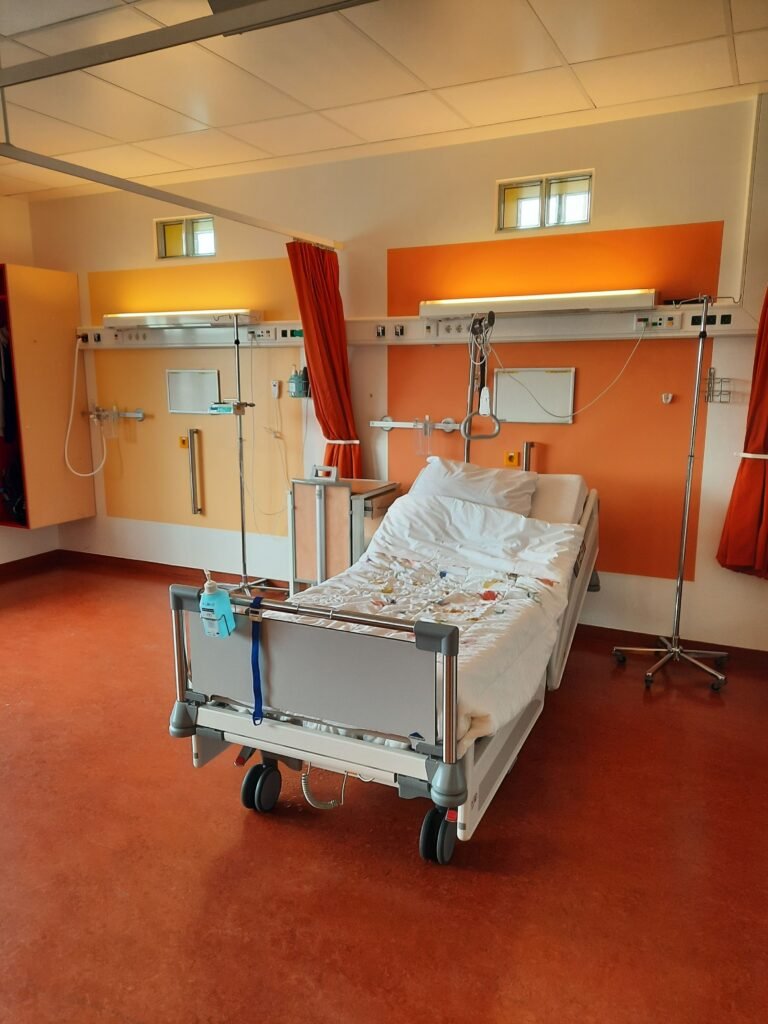
South Africa’s healthcare system faces severe structural challenges, including underfunding, resource shortages, and inequality. Rural communities experience particular barriers due to limited infrastructure and personnel. The Life Esidimeni tragedy, where over 140 psychiatric patients died from negligent transfers to inadequate care facilities, underscores systemic failures in healthcare governance and accountability. Marginalized groups, such as transgender individuals, LGBTQI+ persons, and people living with HIV, encounter discrimination in healthcare settings. These barriers undermine the constitutional right to healthcare and sustain systemic inequality.
Apartheid’s social and economic structures continue shaping current human rights outcomes through ongoing economic inequality and spatial segregation.
Transitional justice mechanisms, like the Truth and Reconciliation Commission, mainly focused on individual violations while neglecting structural inequality. Institutional failures—including corruption, insufficient funding, and weak enforcement—undermine constitutional rights. Courts have played an essential role in interpreting socio-economic rights but lack the capacity to ensure effective implementation.
Human rights violations disproportionately impact those facing multiple forms of marginalization, such as women, migrants, LGBTQI+ people, and persons with disabilities. Intersectionality emphasizes the need for comprehensive policies addressing overlapping inequalities.
In conclusion, South Africa’s Constitution stands as one of the most progressive human rights frameworks globally. However, systemic inequality, institutional weaknesses, and structural legacies continue to hinder its implementation. Closing the gap between constitutional ideals and lived reality requires sustained political commitment, increased resource allocation, and institutional reform. Legal protections alone are insufficient without effective enforcement. Addressing structural inequality, strengthening public institutions, and ensuring equitable access to essential services are vital to realizing constitutional rights. The promise of South Africa’s constitutional democracy will remain unfulfilled until systemic barriers are dismantled and human dignity becomes a lived reality for all.