Author: Nomcebo Obioma Ikpechukwu
What’s happening with Steel Imports?
In March 2026, South Africa made a big move to protect its steel industry by introducing new tariffs on imported structural steel, especially from China and Thailand. At first glance, this might sound like a complex trade issue, but it actually has real-life consequences for the economy, jobs, and everyday costs. Essentially, the government is trying to prevent cheaper foreign steel from overwhelming the local market and harming domestic producers.
To put it simply, a tariff is like a tax on imports, making them more expensive so local businesses can compete. Dumping is when foreign companies sell products in another country for very low prices, sometimes even below the cost of making them. This can hurt South African steelmakers who can’t match those prices. By imposing these tariffs, the government is trying to give local steel producers a fair chance to survive and thrive.
Why Steel Matters to Everyone.
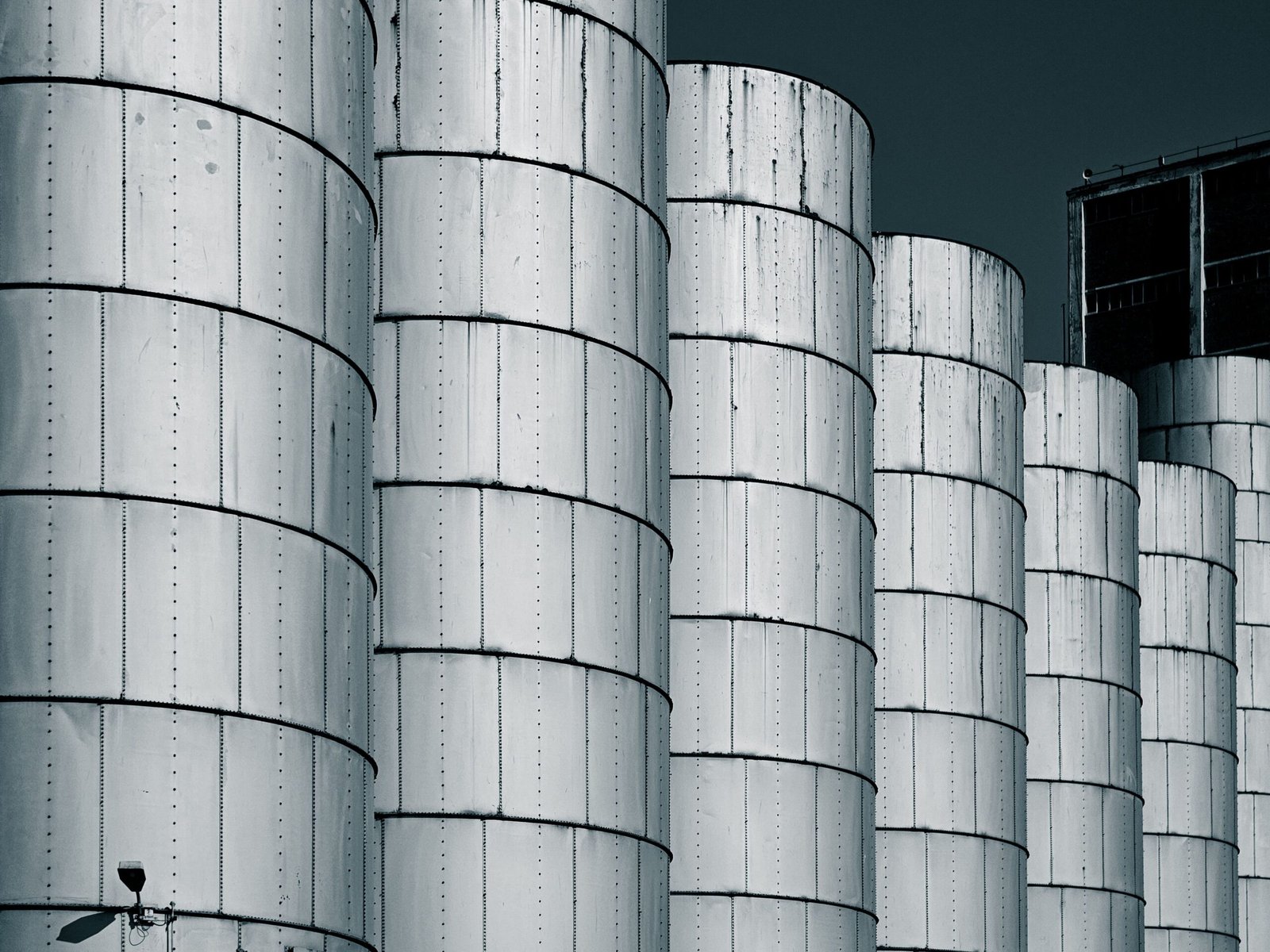
Steel is everywhere. It’s not just in factories, it’s in the buildings we live and work in, the roads we drive on, and the bridges we cross. When local steel producers struggle, it’s not only their business at risk; jobs are on the line, and other industries that rely on steel feel the impact too.
These tariffs aim to protect jobs, strengthen local companies, and help the economy recover. Workers in steel factories rely on the industry for their livelihoods, and keeping these factories running supports thousands of families. A stronger steel industry also benefits construction and manufacturing, creating a ripple effect of opportunities across the economy. At the same time, there’s a balance to strike. Tariffs make imported steel more expensive, and those costs often trickle down to construction companies and, eventually, to homeowners and consumers. This means people might notice slightly higher prices when building, renovating, or even buying goods that rely on steel.
How the Government Decides.
The government doesn’t make these decisions overnight. It investigates whether imported steel is being sold at unfairly low prices and whether local producers are being hurt. Companies get the chance to make their case, and only after careful review does the government set the tariff rate. The recent tariffs were high enough to protect local producers but were designed to stay within international trade rules, keeping South Africa compliant with global standards.
Challenges and Possible Downsides.
While the tariffs are meant to help local industries, they come with some challenges. Countries affected by the tariffs might retaliate by putting taxes on South African exports, which could hurt farmers, miners, or other businesses. Higher steel prices can also affect construction and manufacturing, making projects more expensive. Companies that feel the tariffs are unfair may challenge them in court, so the government has to follow strict legal procedures. Essentially, while tariffs protect local steelmakers, they also require careful management to prevent negative effects elsewhere in the economy.
Bigger Picture: Building a Stronger Economy.
The steel tariffs are part of a wider plan to strengthen South Africa’s economy. The country has faced slow growth, high unemployment, and infrastructure challenges for years. Protecting key industries like steel encourages investment in local manufacturing, creates jobs, and reduces reliance on foreign imports. But tariffs alone aren’t a magic solution. Long-term economic growth also depends on investing in skills, technology, and infrastructure. Protecting local industries should fit into a broader strategy to grow the economy in a balanced and sustainable way.
How This Affects You.
Even if you don’t work in a steel factory, you will likely feel the impact. Workers in steel plants may enjoy more job security, while construction and manufacturing companies might face higher costs for steel, affecting project budgets. These increased costs can eventually reach homeowners and consumers, influencing the price of materials or renovations. The goal is that by protecting local steel in the short term, the economy can become stronger over time, creating more opportunities and stability for everyday South Africans.
Conclusion.
South Africa’s new steel tariffs show how trade laws and economic decisions are connected. By taxing dumped imports, the government is trying to protect local businesses, save jobs, and boost economic recovery. There are trade-offs, such as higher costs for consumers and the risk of other countries responding with their own tariffs. Whether these measures succeed will depend on careful planning, fairness, and how well they fit into broader economic reforms.
In the end, these tariffs aren’t just about steel. They are about supporting local businesses, creating jobs, and helping South Africa build a stronger, more independent economy. If managed well, this move could strengthen the country’s industrial base, promote fair competition, and benefit ordinary South Africans, not just the steel industry.