
Author: Shrishti Kashyap
Abstract-
The ongoing Liquefied Petroleum Gas (LPG) crisis in Dehradun has exposed critical vulnerabilities in India’s urban energy supply chain, driven by import dependence, logistical constraints, and administrative inefficiencies. This disruption has had immediate economic consequences, particularly for households, small businesses, and rural communities. In response, the government has accelerated the transition to Piped Natural Gas (PNG) under the City Gas Distribution framework, positioning it as a more reliable and cost-effective alternative. This article examines the crisis not merely as a supply shock but as a catalyst for structural energy reform. It analyses the legal and regulatory framework governing the transition, particularly under the Petroleum and Natural Gas Regulatory Board Act, 2006, while highlighting emerging concerns related to consumer rights, equitable access, and administrative overreach. The study further evaluates whether the shift to PNG represents an inclusive policy transition or risks creating urban-centric disparities.
Ultimately, the Dehradun case illustrates how localized economic disruptions can drive broader policy shifts, raising important questions about the balance between efficiency, legality, and social equity in India’s evolving energy landscape.
Keywords:
LPG crisis, Piped Natural Gas (PNG), Dehradun, Uttarakhand economy, energy transition, City Gas Distribution (CGD), PNGRB Act 2006, energy security, supply shock, urban infrastructure, consumer rights, administrative law, public policy, sustainable energy, regulatory governance
Introduction-
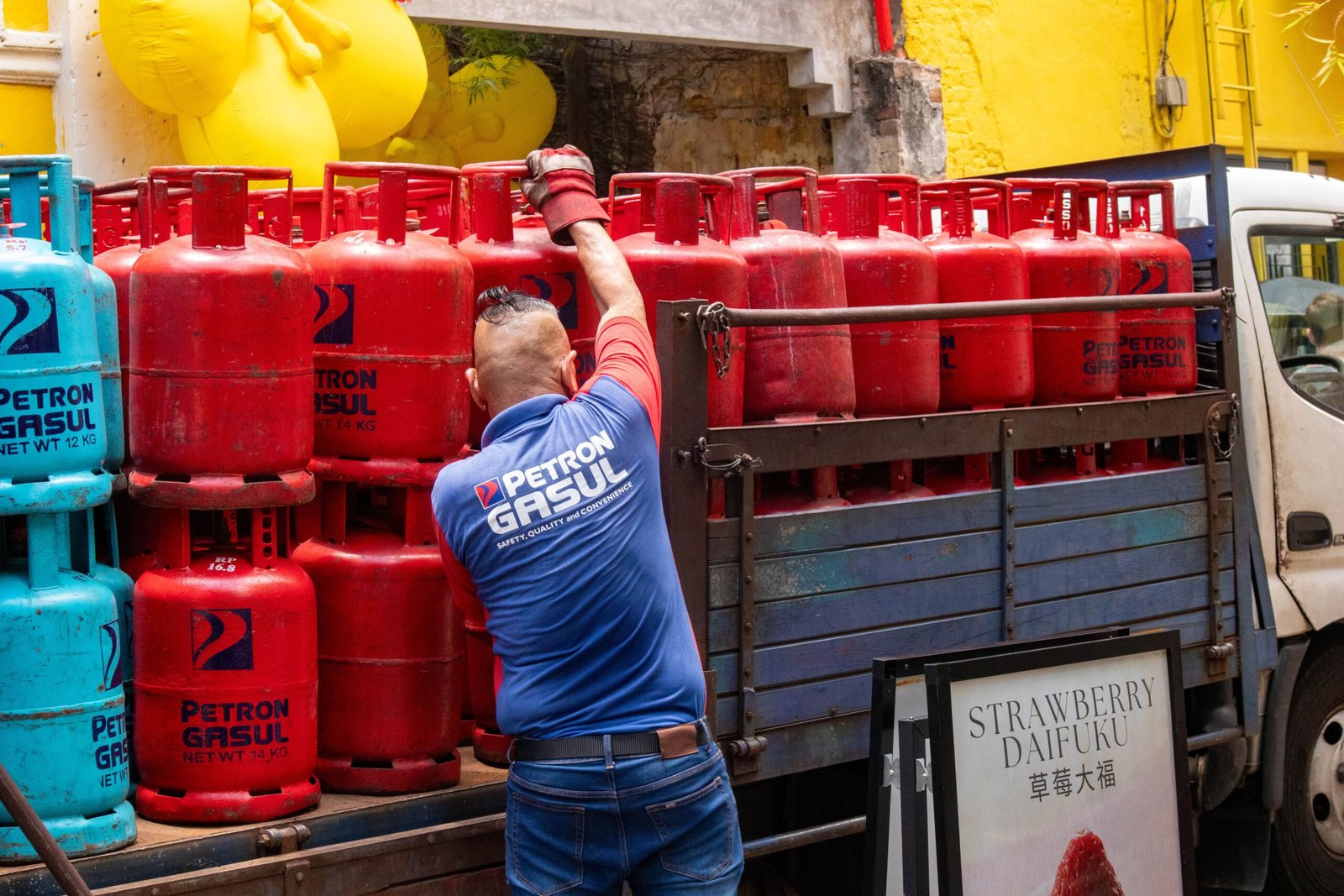
Dehradun, the capital of Uttarakhand, is currently experiencing a significant disruption in Liquefied Petroleum Gas (LPG) supply. What initially appeared as a logistical issue has evolved into a broader economic and policy concern, affecting households, small businesses, and rural communities. Reports indicate a persistent mismatch between demand and supply, with backlog figures crossing tens of thousands of pending LPG deliveries. This crisis, however, is not merely administrative—it reflects deeper structural vulnerabilities in India’s energy dependence and has triggered a rapid policy push toward Piped Natural Gas (PNG) as an alternative.
2. Understanding the LPG Crisis: Causes and Economic Impact
2.1 Structural and Global Causes
The ongoing LPG shortage in Dehradun must be understood within the broader context of India’s structural energy dependence. With nearly 60% of its LPG requirements met through imports, the country remains highly vulnerable to global supply disruptions, particularly geopolitical tensions in energy-producing regions such as West Asia. Fluctuations in international prices, shipping constraints, and supply chain uncertainties often transmit directly into domestic availability, disproportionately affecting regions with logistical limitations. At the local level, these structural vulnerabilities are further aggravated by region-specific challenges. Uttarakhand’s hilly terrain and fragile transport infrastructure significantly delay cylinder distribution, especially in semi-urban and rural areas. In addition, technical inefficiencies, including software glitches in booking and allocation systems, have disrupted timely delivery cycles. Reports of black marketing and diversion of subsidized cylinders also point to governance and monitoring gaps within the distribution network.
Together, these factors create a compounded supply-side crisis, where global dependency intersects with local administrative and infrastructural constraints, intensifying the severity of LPG shortages in the region.
2.2 Local Economic Consequences
The economic impact of the LPG crisis in Dehradun is both immediate and multi-dimensional, affecting consumption patterns, business continuity, and environmental sustainability. At the household level, delays in LPG delivery have disrupted access to a basic necessity—cooking fuel—forcing families to either ration usage or seek costlier and less efficient alternatives. For commercial establishments such as restaurants, hotels, and small food vendors, the shortage has translated into reduced operational capacity, increased input costs, and in some cases, temporary closures, directly affecting local employment and revenue generation.
In rural and peri-urban areas, the crisis has triggered a regression toward traditional biomass fuels such as firewood, reversing gains made under clean energy initiatives. This not only increases environmental degradation but also imposes hidden economic costs in the form of health risks and time spent on fuel collection. From an economic standpoint, the situation exemplifies a classic supply shock, wherein the disruption of a critical input—energy—creates ripple effects across multiple sectors. The resulting strain highlights the fragility of localized economies when essential supply chains are disrupted, particularly in geographically sensitive regions like Uttarakhand.
3. PNG Transition: Policy Response and Implementation
3.1 Government Strategy
In response to the LPG supply disruptions, the government has accelerated the rollout of Piped Natural Gas (PNG) infrastructure in Dehradun. Within a relatively short period, thousands of households have been identified for transition, with over 2,000 households already connected and a significantly larger base prepared for imminent activation. This transition forms part of a broader urban energy strategy under the City Gas Distribution (CGD) framework, which envisages coverage of approximately 3 lakh households by 2030, backed by an estimated investment of ₹1,500 crore. The policy reflects a long-term shift toward ensuring stable, continuous, and infrastructure-driven energy access in urban areas.
3.2 Regulatory Push
The transition is being reinforced through a series of assertive regulatory measures:
- In notified areas where PNG infrastructure is operational, LPG supply may be discontinued within a 90-day window, effectively compelling consumer migration
- Introduction of “deemed approval” mechanisms to expedite pipeline laying and reduce administrative bottlenecks
- Commercial establishments, particularly in hospitality and food services, are being actively encouraged—and in some cases pressured—to mandatorily adopt PNG
These measures collectively signal a decisive policy shift from a subsidy-dependent LPG regime to a market-linked, infrastructure-based PNG ecosystem. While this enhances supply reliability and reduces logistical vulnerabilities, it also raises concerns regarding consumer autonomy, transition costs, and equitable access—particularly for low-income households.
This is already conceptually strong—what you need is sharper legal articulation, clearer issue framing, and a slightly more “argument-driven” tone. Here’s a refined, publication-ready version:
4. Legal and Regulatory Dimensions
4.1 Statutory Framework
The transition from LPG to PNG is primarily governed by the Petroleum and Natural Gas Regulatory Board Act, 2006 (PNGRB Act) and the accompanying City Gas Distribution (CGD) Regulations. These instruments collectively regulate:
- Authorization and exclusivity of city gas distribution networks granted to entities
- Infrastructure development obligations, including pipeline rollout timelines and service standards
- Pricing mechanisms, particularly the extent of market-linked pricing versus regulatory oversight
- Consumer access, safety, and technical standards, ensuring safe delivery and continuity of supply
The PNGRB thus acts as the central regulatory authority, balancing market efficiency with public interest considerations.
4.2 Emerging Legal Issues
The rapid and, in some instances, coercive transition raises several complex legal concerns:
- Right to Energy Access (Article 21 dimension):
The implicit right to clean and accessible energy, read into the right to life under Article 21, may be implicated if LPG access is discontinued without ensuring universal, affordable PNG connectivity—particularly affecting economically weaker sections. - Consumer Protection and Choice:
A mandatory transition within a 90-day window may undermine principles of informed consent and consumer autonomy, potentially attracting scrutiny under consumer protection jurisprudence, especially where switching costs (installation, deposits) are significant. - Administrative Law Concerns:
The use of “deemed approval” mechanisms to fast-track infrastructure raises questions of procedural fairness, transparency, and accountability. Such mechanisms may dilute:- Environmental clearances
- Municipal permissions
- Public consultation requirements
This could be challenged as arbitrary if it bypasses essential safeguards.
4.3 Federal and Policy Coordination
Energy governance in India operates within a quasi-federal (concurrent) framework, necessitating coordination between multiple levels of government:
- Central Government: Policy formulation, regulatory oversight through PNGRB, and national energy strategy
- State Government: On-ground implementation, facilitation of infrastructure, and local administrative support
The Dehradun transition illustrates how localized supply crises can catalyze the rapid implementation of national policy objectives. However, such acceleration often risks procedural dilution, raising concerns about federal balance, administrative propriety, and protection of citizen rights. Good substance—this section just needs sharper analytical depth and clearer articulation of the “policy paradox” to make it stand out.
5. Challenges in PNG Implementation
Despite the strong policy push toward PNG adoption, the transition faces several structural and operational bottlenecks:
- Infrastructure and Execution Delays:
Pipeline installation continues to face delays due to adverse weather conditions, particularly in hilly terrain, and procedural hurdles in obtaining municipal and environmental permissions. - Institutional Capacity Constraints:
Implementing agencies such as GAIL Gas have been criticized for slow execution and limited last-mile connectivity, leading to gaps between planned and actual coverage. - Geographical Inequality in Access:
The rollout remains urban-centric, with hilly and peripheral areas experiencing delayed or negligible access. This creates a dual energy system where some populations benefit from PNG while others remain dependent on LPG or traditional fuels.
Policy Paradox: Crisis as a Product of Transition Failure
A critical issue emerging from the Dehradun case is the policy paradox: The LPG crisis may not merely be an external supply shock, but partly a consequence of premature policy transition without adequate infrastructure readiness.
In effect, LPG supply is being scaled down or disrupted and PNG infrastructure is not yet fully operational or accessible. This creates a transitional vacuum, where consumers are left with reduced access to both energy sources.
Analytical Insight
This reflects a classic “implementation gap” in public policy, where:
- Policy intent (clean, efficient PNG ecosystem) is sound
- But sequencing and execution failures undermine outcomes
The situation highlights the need for a phased and synchronized transition strategy, ensuring that PNG availability precedes LPG withdrawal, rather than the reverse.
6. Economic Analysis: Transition or Displacement?
The LPG-to-PNG shift can be interpreted through multiple economic lenses, reflecting both efficiency gains and distributional concerns:
- Energy Security and Import Substitution:
PNG, primarily sourced through domestic production and long-term gas contracts, can reduce reliance on LPG imports, thereby improving India’s energy security and insulating the economy from global price volatility. - Cost Efficiency and Supply Stability:
PNG is generally more cost-effective for end-users due to lower distribution and storage costs, and it offers continuous, on-demand supply, eliminating the logistical inefficiencies associated with LPG cylinders (transportation, refilling delays). - Network Economics and Urban Advantage:
PNG operates as a network-based utility, where high initial infrastructure costs are justified by dense urban consumption. This inherently creates an urban bias, making cities like Dehradun economically viable, while low-density rural and hilly regions remain underserved due to poor cost recovery prospects.
Distributional Concerns: Risk of Energy Inequality
Despite its efficiency advantages, the transition raises serious concerns of economic exclusion:
- Unequal Access:
Rural and geographically challenging areas may be structurally excluded from PNG networks, reinforcing existing regional inequalities. - Affordability vs Accessibility Gap:
While PNG may be cheaper in the long run, initial connection costs and infrastructure absence can prevent lower-income households from transitioning. - Displacement without Substitution:
If LPG supply is reduced before universal PNG access is achieved, the transition risks becoming a case of “energy displacement” rather than genuine transition”—where vulnerable populations lose access to clean fuel altogether.
7. Conclusion: A Turning Point in Urban Energy Policy
The LPG crisis in Dehradun should not be viewed as a temporary supply disruption, but as a catalytic moment for structural transformation in urban energy governance. The accelerated shift toward PNG reflects a broader policy vision centered on sustainability, efficiency, and enhanced energy security. However, the effectiveness of this transition ultimately hinges on the quality of its implementation. A successful shift requires:
- Robust legal safeguards to protect consumer choice and prevent arbitrary displacement
- Inclusive and equitable access, particularly for rural, hilly, and economically weaker populations
- Transparent and accountable regulatory practices, ensuring that speed does not come at the cost of procedural integrity
At its core, the Dehradun experience highlights a fundamental policy lesson, Energy transitions are not merely technical or economic processes—they are deeply legal and social transformations. If poorly sequenced, they risk exclusion and inequity; if carefully designed, they can serve as models of just and sustainable development. Thus, the LPG-to-PNG transition stands as a test case for India’s broader energy future—one that will determine whether the country can successfully balance efficiency with equity, and reform with rights.